
You don’t need fancy equipment or a gym membership to improve your health. Sometimes, all it takes is a walk outside. Hiking, according to this post on playful paths to better health, offers a natural and accessible way to support both physical and mental well-being. It’s more than just movement. It’s a movement with purpose, surrounded by fresh air and scenery. The experience is simple but powerful.
Cardiovascular Benefits in Every Step
Your heart loves movement. Hiking gets your blood pumping, especially on uneven ground or uphill climbs. The change in elevation makes your body work harder than walking on flat surfaces. That increased effort strengthens your heart over time. It also helps lower resting heart rate and improves circulation. Hiking can reduce blood pressure and cholesterol levels when done regularly. It’s a solid cardiovascular workout that doesn’t always feel like one. You’re focused on the trail, not the timer, and your heart still gets the benefit.
Strength Without the Strain
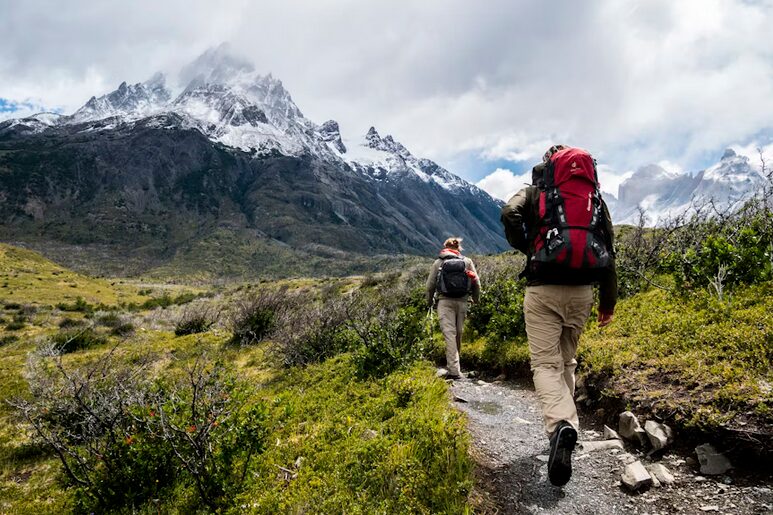
Many people avoid strength training because it seems intimidating. But hiking naturally builds strength without the need for weights or machines. As your legs power up hills and navigate rocky terrain, your muscles work to stabilize and support you. Your glutes, quads, hamstrings, and calves all engage. Your core works harder to keep you balanced. Even your arms get involved, especially if you use trekking poles or climb over obstacles. It’s a full-body activity that uses body weight and terrain to build endurance and power.
Nature’s Role in Stress Reduction
Physical health isn’t the only thing that improves on the trail. Hiking is a mental reset. Being in nature lowers stress levels and helps you disconnect from daily pressures. The natural surroundings reduce cortisol, the body’s primary stress hormone. Green spaces calm the nervous system. The quiet, the sounds of birds or leaves, the feeling of sunlight, these sensory details shift your focus away from stress. Time outdoors has been shown to reduce symptoms of anxiety and improve mood. A simple walk in nature becomes a tool for emotional regulation.
Focus, Clarity, and Brain Health

Nature walks can improve mental clarity. Trails require attention, watching your footing, staying aware of your surroundings, and following the path. This light mental engagement improves focus without overwhelming the mind. Hiking also boosts brain health over time. Aerobic exercise increases blood flow to the brain, supporting memory and cognitive function. When combined with nature exposure, the effect is even stronger. You walk away feeling sharper, more centered, and often more creative.
Connection and Mindfulness
There’s something unique about being outside, moving slowly through a natural space. Hiking can become a form of mindfulness. You notice small things, textures of trees, colors of wildflowers, the rhythm of your breath. This awareness grounds you in the present moment. It offers a break from constant notifications and mental clutter. Whether hiking alone or with others, the experience fosters a sense of connection. With yourself. With others. With the world around you. It’s this combination of movement and presence that makes hiking a valuable wellness habit. You’re not just walking. You’re resetting.
One of hiking’s greatest strengths is its accessibility. You can start with short, easy trails and progress to steeper or longer ones. It fits any fitness level. You set the pace and challenge based on how you feel. To stay safe, wear proper shoes and stay hydrated. Let someone know your plan if you’re going out alone. And be mindful of trail conditions. With these basic precautions, hiking becomes a low-risk, high-reward form of exercise. It’s also sustainable. There’s no monthly fee. No crowded spaces. Just you and the trail. And that consistency is what supports long-term health, the kind that protects your heart and lifts your mind with the utmost care.