
The wellness world has seen a major boom in brain supplements—also called nootropics—as more people look for ways to stay sharp, focused, and energized. Whether you’re juggling work deadlines, studying for exams, or simply trying to stay mentally on point, the promise of enhanced cognition is tempting. But the reality is, not all brain boosters are effective—or safe. With flashy labels and big claims everywhere, it’s more important than ever to approach these supplements with a clear mind. Let’s break down how to do that wisely.
Know What You’re Trying to Improve
When you’re sorting through dozens of brain-boosting options on the shelf or online, understanding your personal needs is essential. If focus and mental stamina are your priorities, you’ll be looking at a very different set of ingredients than someone focused on reducing anxiety or improving memory. That’s why the smartest way to choose your brain supplements often depends on first identifying the exact area of cognitive performance you want to improve, rather than jumping at generic promises.
Understand the Ingredients on the Label
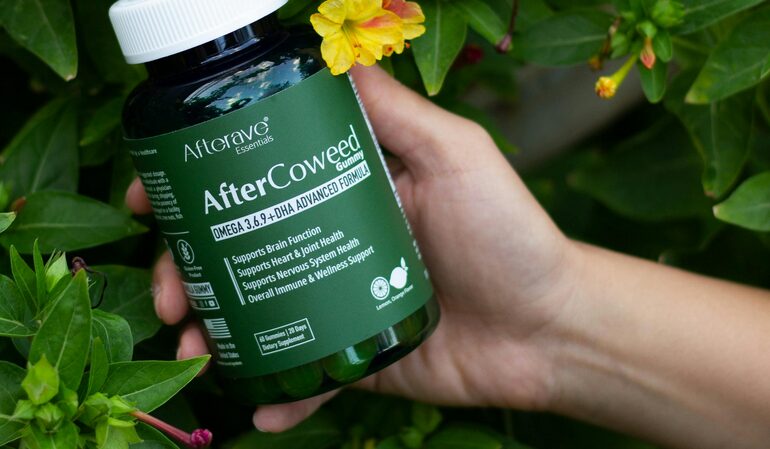
Don’t let complicated names intimidate you. Take time to research common nootropic ingredients like Bacopa Monnieri, Citicoline, Rhodiola Rosea, or L-theanine. Some ingredients have solid scientific backing, while others are still speculative. Look for transparency in labeling and avoid products that use vague terms like “proprietary blend,” which often hide underdosed ingredients behind marketing lingo. The more you understand what’s going into your body, the better choices you’ll make.
Look for Clinical Research and Real Results
It’s easy to get swept up by flashy packaging and influencer testimonials. But when it comes to supplements, science matters more than style. Stick with products that cite peer-reviewed studies, not just anecdotal stories. Clinical trials that test effectiveness on humans—rather than animals or cell cultures—carry more weight. And even then, check the dosage used in studies compared to what’s actually in the product.
Be Wary of Instant Fixes
A common mistake people make with brain supplements is expecting instant clarity or energy boosts. While some ingredients like caffeine may have quick effects, most nootropics work best over time with consistent use. Supplements that promise overnight transformation or “limitless brain power” often rely on stimulants that mask real cognitive fatigue rather than fixing it. Think of brain health like fitness—it’s built gradually, not in one dose.
Pay Attention to How You Feel

No two brains respond the same way. What gives one person laser focus might make someone else feel jittery or unfocused. That’s why it’s important to track your response. Journaling your mood, energy, and mental clarity for a couple of weeks can help you see whether a supplement is truly helping or if it’s just a placebo effect. Small changes can say a lot over time.
Talk to a Professional Before Starting
Even natural supplements can interact with medications or underlying health conditions. If you’re already taking prescriptions or managing health issues, it’s wise to consult a healthcare provider before adding anything new to your regimen. A functional medicine doctor or registered dietitian with supplement experience can help tailor recommendations to your personal needs and goals.
Brain boosters can be a helpful part of your mental wellness toolkit—but only if you approach them with intention and care. By focusing on your goals, reading labels closely, checking the science, and listening to your own body, you’ll be much more likely to find something that truly benefits your mind. Think, choose wisely, and give your brain the thoughtful support it deserves.